
Gaining Confidence in Your Application
How do I best prepare for the application process?
Read our website!
Understanding how LACI works and what we do will illuminate what we look for in prospective members.
Come to one of our info sessions
We hold two to three info sessions at the beginning of every semester. We recommend attending one, as the more you understand LACI and what we work towards, the easier it will be for you to relate to our organization and our work. Check our Instagram for more detailed information regarding when and where our info sessions are held.
Take it easy!
We understand that people have varying levels of experience with both consulting and nonprofits, which is why we do not consider resumés or professional/academic experience in the application process; all decisions are made solely from what we observe from your application and interviews.
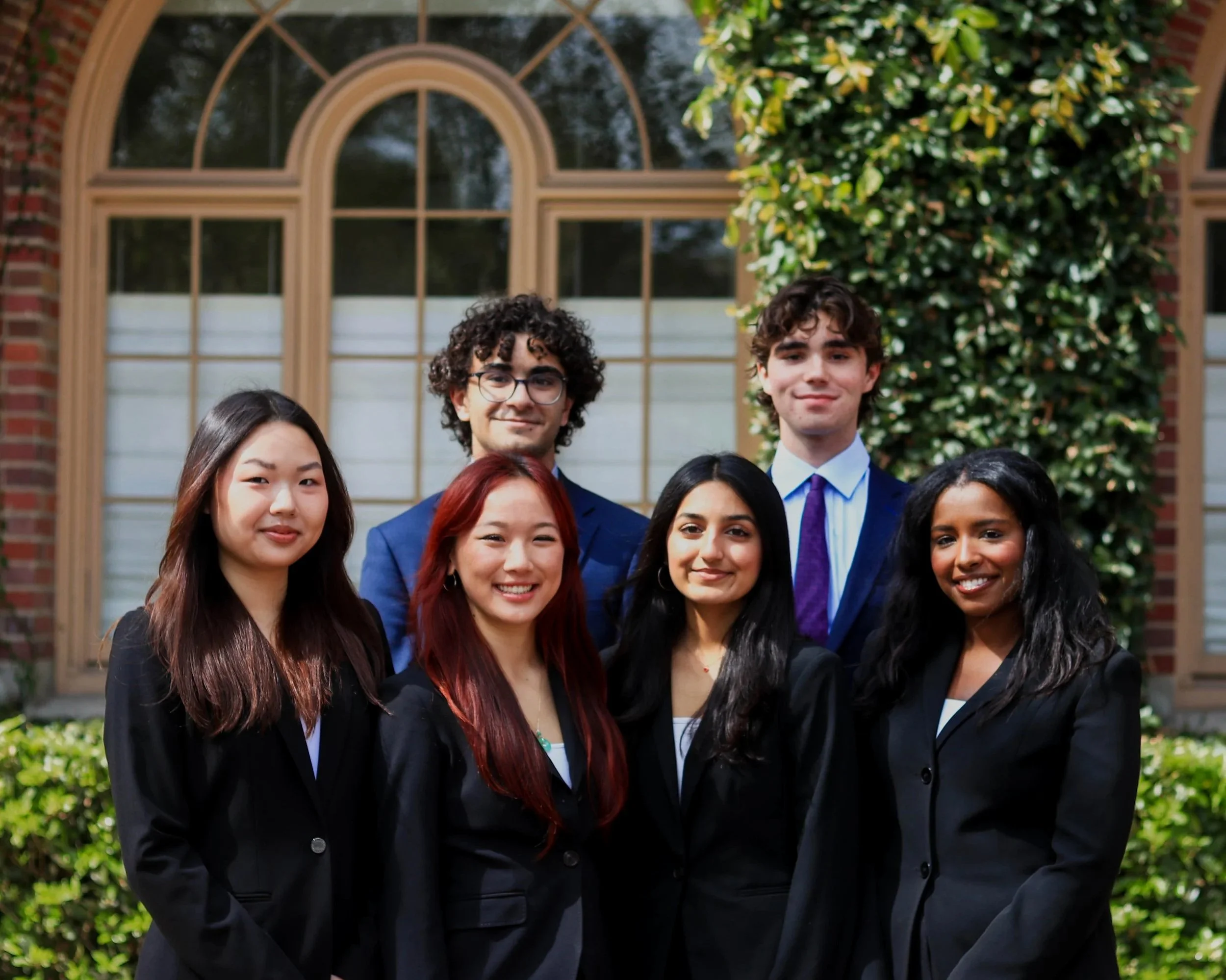
Remember that we are students too, and also understand the pressures of daily life at USC. We strive to create a warm and welcoming interview environment!
Consulting Explained
What do consultants do?
The primary job of a consultant is to help organizations solve issues or challenges that they are facing by conducting primary and secondary research. Examples of the types of problems consultants work with include: rebranding a program, assessing social media engagement, opening a new location, increasing employee retention, developing a new program, creating a pricing strategy, and many more.
While some organizations take on this task themselves, consultants allow for staff to focus their efforts on what they know best. They provide valuable insight and can serve as a fresh set of eyes for the organization.
What makes a great consultant?
There is no specific background that indicates someone will become the perfect consultant. In the university context, this means that there is no ideal major, career, or resumé item. The ideal background will prepare someone to solve complex, unstructured problems.
That being said, consultants share a few common traits. They excel at working in teams, thinking critically, and communicating their ideas coherently in both speech and writing.
Nonprofits and Social Enterprises Explained
What are nonprofits?
Nonprofits, or 501(c)3 organizations, are organizations that work to better the world in some way. Some nonprofits provide training services for the homeless, others educate about climate change, and others combat abuse against vulnerable populations. Contrary to their name, nonprofits generate a profit. The difference between a nonprofit and a company, however, is that nonprofits reinvest their profits in their mission. Organizations are designated as "nonprofits by the federal government as they have a specific tax status and legal obligations. Nonprofits can have full-time paid staff, but also recruit volunteers.
What are social enterprises?
Social enterprises use a market driven approach to solve the same problems on which nonprofits work. In practice, this means that a social enterprise will use its generated revenue to donate to organizations with shared missions and values, hire people who have difficulty finding work, or offer products/services that create positive social change.
Why is consulting for nonprofits and social enterprises important?
Nonprofits and social enterprises are responsible for fighting some of the world’s most pressing issues. Unfortunately, these organizations often lack support when encountering these various obstacles.
At LACI, we help these organizations overcome these obstacles so they can better achieve their missions and have a positive social impact on the Los Angeles community.
Have a question? Check our FAQs and/or contact us at laci.personnel@gmail.com